
Nowadays, investing in accessibility is no longer optional—it has become a key requirement for businesses, architects, and city planners. Beyond offering a competitive advantage, accessibility solutions help organizations comply with regulations while actively contributing to a more inclusive society.
In modern urban environments, accessibility is not just about meeting standards; it is about creating spaces where everyone can move safely, confidently, and independently.
The Role of Stainless Steel Tactile Indicators
Among various accessibility solutions, stainless steel tactile indicators play a crucial role in guiding visually impaired individuals through public and commercial spaces. These indicators, including tactile studs and tactile strips, are designed to provide both directional guidance and hazard warnings.
By incorporating tactile paving systems into infrastructure design, environments become significantly safer and easier to navigate for all users.
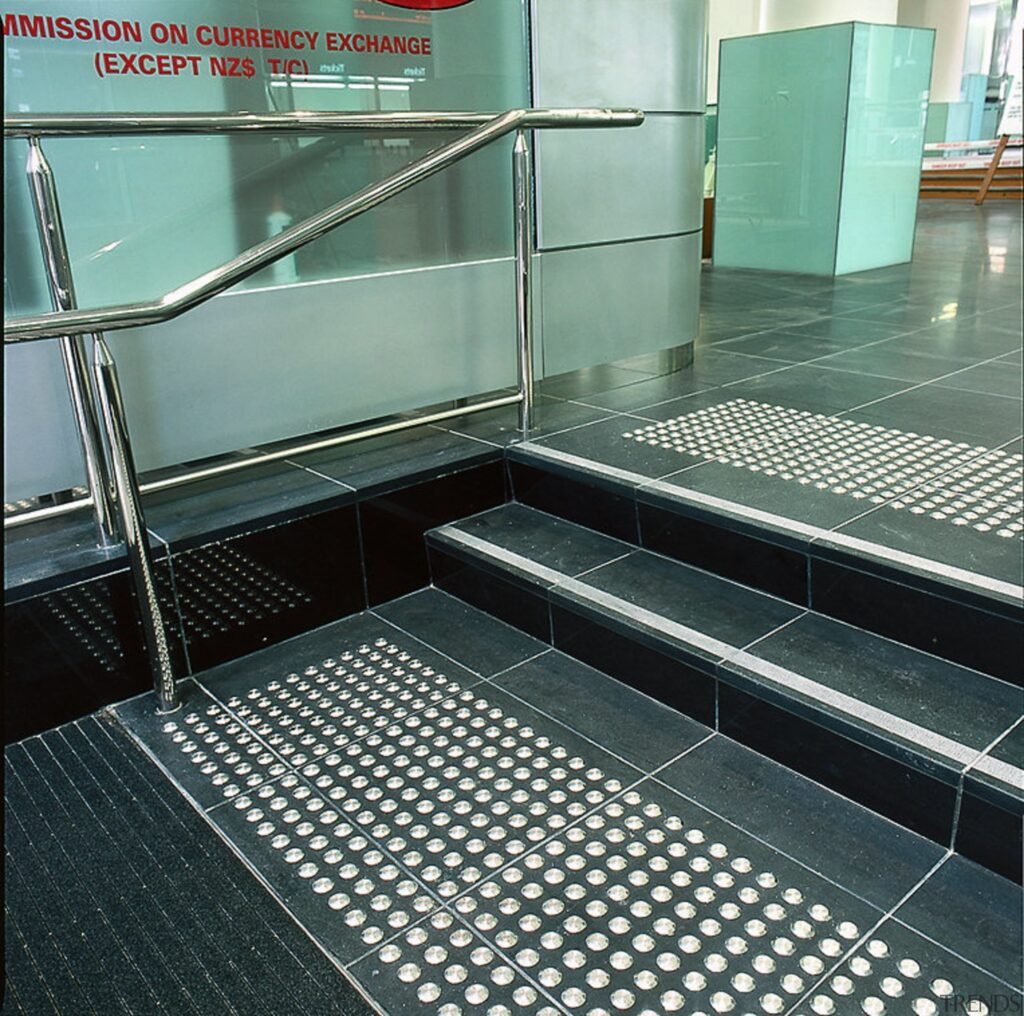
Enhancing Safety Through Functional Design
Tactile indicators serve multiple essential functions:
· Directional Guidance: Helping users follow safe and accessible paths
· Hazard Warning: Indicating potential dangers such as stairs, ramps, or platform edges
· Spatial Awareness: Improving orientation in complex environments
· Inclusive Mobility: Supporting independence for visually impaired individuals
These features make tactile systems an indispensable component of accessible design.
Wide Range of Applications
Stainless steel tactile indicators are widely used across various high-traffic and public environments, including:
· Transportation hubs such as railway stations and metro platforms
· Airports and terminals
· Shopping malls and commercial complexes
· Sidewalks and pedestrian crossings
· Public buildings, hospitals, and government facilities
Their versatility makes them suitable for both indoor and outdoor installations.
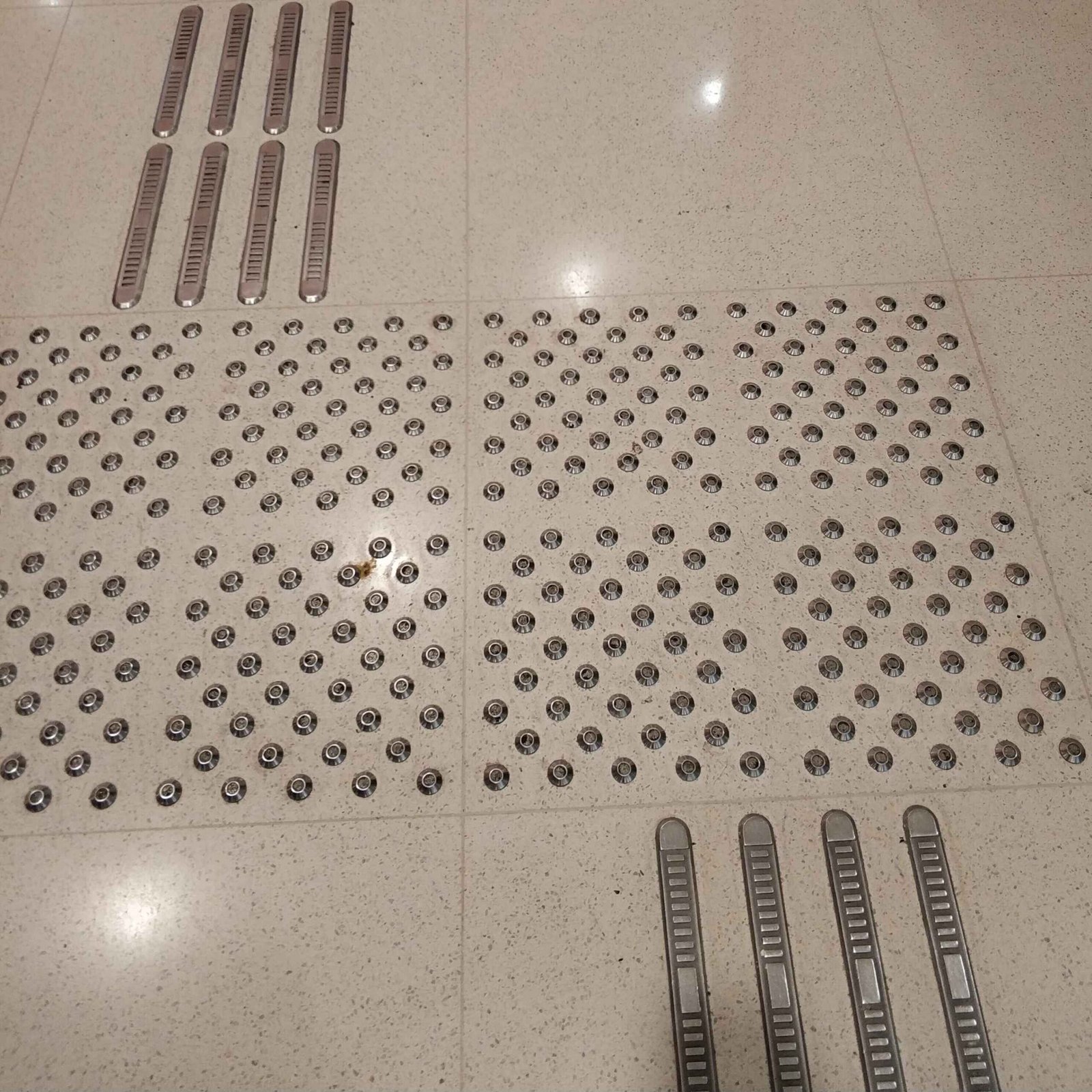
Why Choose Stainless Steel?
Compared to other materials, stainless steel tactile indicators offer several significant advantages:
· Exceptional Durability: Ideal for high-traffic areas with long-term use
· Corrosion Resistance: Suitable for harsh outdoor environments
· Anti-Slip Performance: Enhances pedestrian safety in all weather conditions
· Modern Aesthetic: Blends seamlessly with contemporary architectural designs
Importantly, these indicators improve accessibility without disrupting the visual harmony of the surrounding environment.
Quick and Clean Installation
Another key benefit is the ease of installation. Stainless steel tactile indicators can be installed quickly and efficiently, making them ideal for both new construction and retrofit projects.
The installation process is clean, precise, and leaves no residue, ensuring minimal disruption to existing flooring and operations. This efficiency helps reduce project downtime while maintaining high-quality results.
Supporting Compliance and Social Responsibility
Accessibility is increasingly regulated across global markets. Implementing tactile indicators helps projects align with relevant accessibility standards and demonstrates a commitment to social responsibility.
More importantly, it reflects a forward-thinking approach—prioritizing safety, inclusivity, and user experience in every design decision.

Stainless steel tactile indicators are more than just functional components—they are essential elements in building safer, smarter, and more inclusive spaces.
By integrating durable, aesthetically pleasing, and easy-to-install tactile solutions, businesses and urban developers can meet regulatory requirements while enhancing the overall quality of public environments.